Menü

Le Roi du Voyage
Routen, die sich lohnen.
Reisen entlang zusammengehöriger Orte
Sammlung entdecken- 21Orte in der Sammlung
Český Krumlov, South Bohemia — Draceane · Wikimedia Commons · CC BY-SA 4.0
Reiseziele
Le Roi du Voyage
Reiseziele und Unterkünfte nach denselben Herkunftsregeln: keine Bewertungen oder Empfehlungen ohne Quelle.

Abruzzo, Lazio and Molise National Park
The Abruzzo park's institutional history distinguishes several beginnings. A proposal was developed in 1917, followed by an initial protected area at Costa Camosciara in 1921. Italy formally recognised the park's establishment through a decree-law of 11 January 1923.
Editorial selectionCC BY-SA 3.0

Aigüestortes i Estany de Sant Maurici National Park
Aigüestortes i Estany de Sant Maurici National Park lies in the Pyrenees among mountain peaks and valleys. Its landscape includes sharp peaks, ridges, forests and meadows. Water is a defining element, with lakes together with rivers, ravines and wetlands.
Editorial selectionCC BY-SA 3.0

Alta Murgia National Park
Alta Murgia National Park protects part of the limestone plateau of the Murge in Apulia. Open ground, dry-stone walls and former sheepfolds record how the plateau was used. The map marks the Torre dei Guardiani visitor centre near Ruvo di Puglia.
Editorial selectionCC BY-SA 4.0

Appennino Tosco-Emiliano National Park
The Appennino Tosco-Emiliano National Park follows part of the northern Apennine ridge between Tuscany and Emilia-Romagna. The park authority describes forests, upland grasslands, deep valleys and mountain lakes. The Pietra di Bismantova is a flat-topped rock within the park. The map shows the start of an official walk at Passo del Cerreto.
Editorial selectionCC BY-SA 3.0
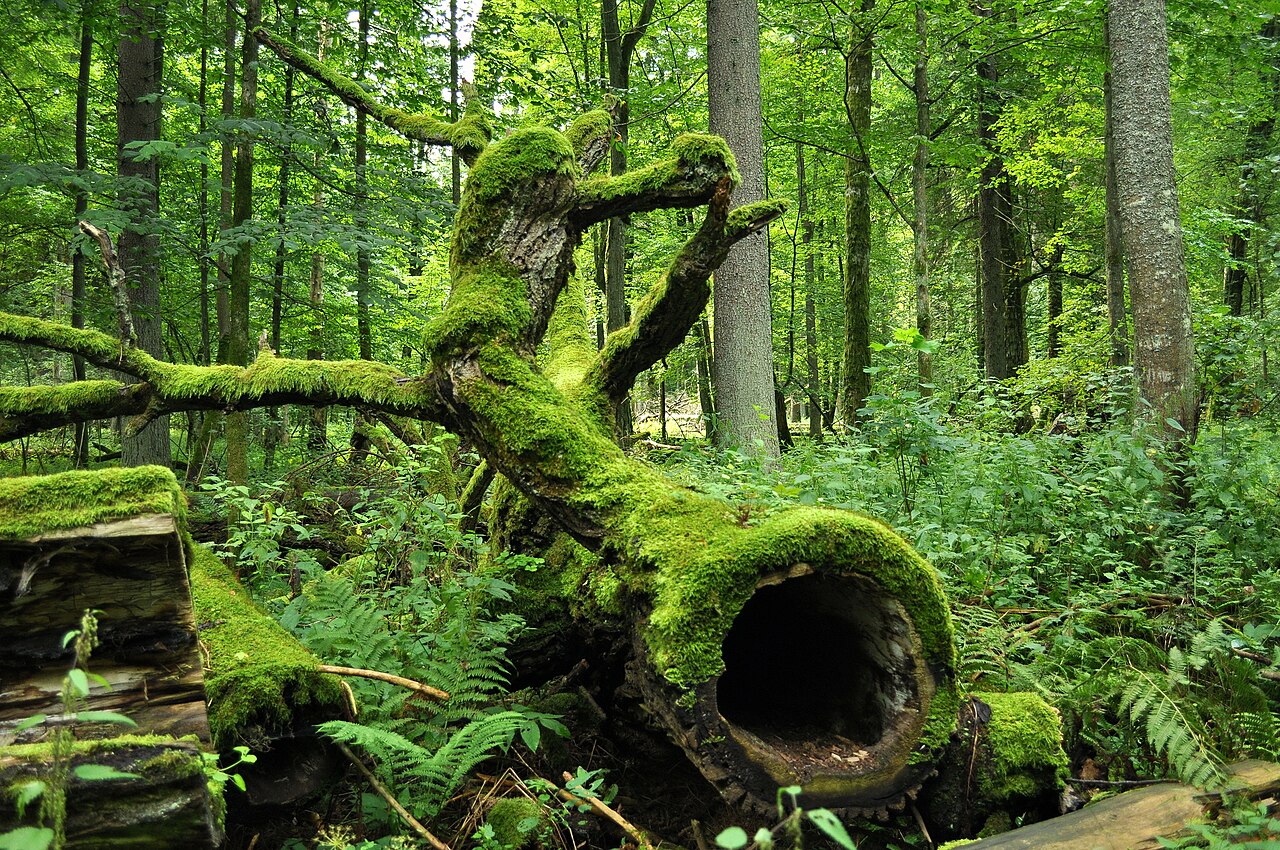
Białowieża National Park
Białowieża National Park occupies the central part of the Białowieża Forest in northeastern Poland. Its institutional history distinguishes reserves created in 1921, an administrative unit established in 1924 and the national park re-established in 1947. Its Palace Park was designed in a landscape style by Walery Kronenberg.
Editorial selectionCC BY-SA 3.0

Burren National Park
Burren National Park covers 1,800 hectares in the southeastern Burren in County Clare. Its name comes from the Irish boíreann, meaning a rocky place. The park describes lime-loving and acid-loving plants growing together, with woodland plants also growing in the open among limestone pavement.
Editorial selectionCC BY-SA 3.0

Cabañeros National Park
Cabañeros National Park lies in the Montes de Toledo in Spain. The national park service describes a landscape of open rañas and wooded slopes. Los Navalucillos is one access area. The photograph shows the Arroyo del Chorro valley from the Las Becerras viewpoint.
Editorial selectionCC BY-SA 4.0

Central Balkan National Park
Central Balkan National Park was established in 1991 by an order of Bulgaria’s environment minister. Nine reserves lie within its boundaries. The park and five surrounding municipalities also form part of the wider Central Balkan Biosphere Park.
Editorial selectionCC BY 2.0

Doñana National Park
Doñana National Park includes beaches, dunes and marshes. Its marshes provide passage, breeding and wintering habitat for European and African birds. The Spanish environment ministry identifies the Iberian imperial eagle and Iberian lynx among the endangered species living in the park.
Editorial selectionCC BY-SA 4.0

Gesäuse National Park
Gesäuse National Park in Styria follows the Enns through a landscape of steep rock walls, forests and river habitats. Its management follows IUCN category II, with the free development of nature as its principal task. The park identifies alpine farming as an exception to its restrictions on resource use.
Editorial selectionCC BY-SA 4.0

Mljet National Park
Mljet National Park protects the western part of the Croatian island of Mljet. Croatia’s parks service describes two saltwater lakes, Veliko jezero and Malo jezero, and the connection of the larger lake to the sea. The park operator identifies Pomena, Polače and Vrbovica as entrances.
Editorial selectionCC BY-SA 3.0
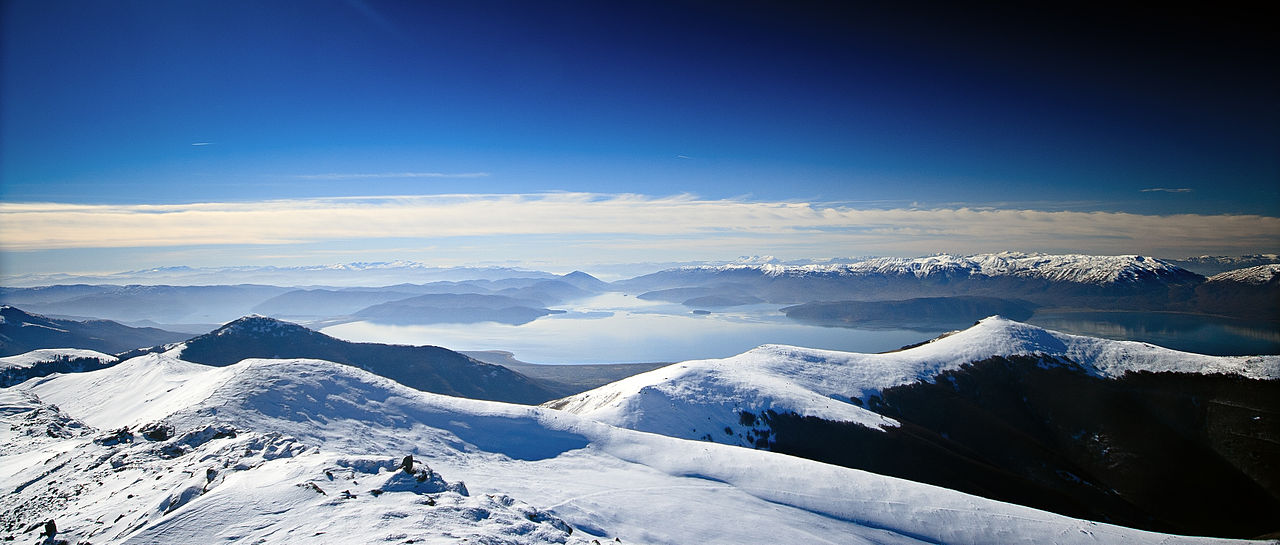
Pelister National Park
Pelister National Park was established on 30 November 1948 to protect the natural heritage of Baba Mountain. Its institutional history describes the park’s development in nature conservation, ecological education and sustainable tourism.
Editorial selectionCC BY-SA 3.0

Pembrokeshire Coast National Park
Pembrokeshire Coast National Park includes coastline and the Preseli Hills in West Wales. The Pembrokeshire Coast Path extends for 186 miles through a landscape of cliffs, beaches and estuaries. The authority’s description places these coastal settings alongside countryside and wildlife.
Editorial selectionCC BY-SA 3.0

Piatra Craiului National Park
Piatra Craiului National Park protects the biodiversity and landscape of the Piatra Craiului massif. Its administration is a subunit with legal personality within the national forest organisation, Romsilva. The park’s institutional account identifies conservation as the purpose of its designation.
Editorial selectionCC BY-SA 3.0

Picos de Europa National Park
Picos de Europa National Park extends across Asturias, Cantabria and Castile and León. Its management describes conservation work concerning capercaillie, bearded vultures and inland wetlands. Its website also describes the research functions of national parks.
Editorial selectionCC BY-SA 4.0

Saxon Switzerland National Park
Saxon Switzerland National Park lies within a sandstone landscape of rock formations, narrow gorges and species-rich forests. Table mountains and the deeply cut Elbe valley shape the wider cross-border Elbe Sandstone Mountains. Bohemian Switzerland National Park adjoins it on the Czech side.
Editorial selectionCC BY-SA 3.0 de

Tatra National Park, Poland
Poland's Tatra National Park protects a mountain landscape. Its High Tatras have an alpine landscape, while the western peaks are gentler. Glaciers helped shape the mountains' lakes and steep rock walls. Wolves, lynx and bears are among the large predators identified by the park authority.
Editorial selectionCC BY 3.0

Thayatal National Park
Thayatal National Park and the neighbouring Czech Podyjí National Park protect a near-natural valley landscape in Central Europe. The Thaya river has created varied habitats and forest types within a small area. Species identified by the park include European wildcat, black stork and noble crayfish.
Editorial selectionCC BY-SA 3.0

Vanoise National Park
Vanoise National Park includes high Alpine landscapes in Savoie. The park identifies Plan du Lac as a visitor site reached from Termignon and the Bellecombe area. The photograph shows the Maurienne valley around Termignon and Sollières-Sardières. The marker uses the IGN point for Plan du Lac refuge.
Editorial selectionCC BY-SA 3.0

Wicklow Mountains National Park
Wicklow Mountains National Park lies south of Dublin. Its wooded valleys include the monastic settlement at Glendalough. The area also has a mining history spanning 1798–1963, with the ruined Miners’ Village at the western end of Glendalough’s valley.
Editorial selectionCC BY-SA 3.0

Wolin National Park
Wolin National Park was established in 1960 and protects part of Wolin island in Poland’s West Pomeranian province. Its landscapes include coastal cliffs and forests. More than 230 bird species have been recorded in the park, which lies on a Baltic coastal migration route.
Editorial selectionCC BY 3.0